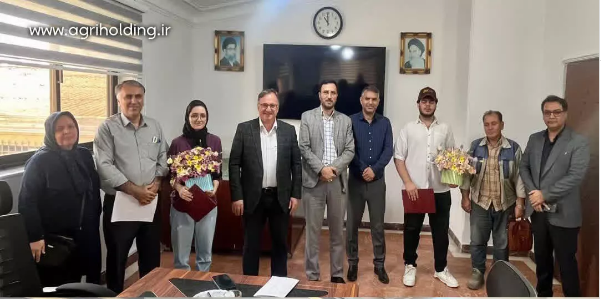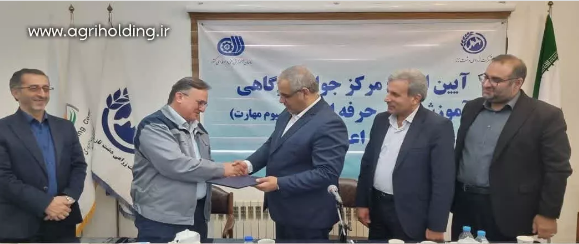
Dasht Naz Agricultural Company opened a technical and vocational training workshop center with the aim of improving employee skills and developing human resources. The ceremony was attended by Seyyed Malek Hosseini, Deputy Director of Entrepreneurship and Employment Development of the Ministry of Cooperatives, Labor and Social Welfare, Director General of Mazandaran Cooperatives, Labor and Social Welfare, Head of Technical and Vocational Department of Mazandaran Province, and the accompanying delegation, as well as senior managers of Dasht Naz Company.
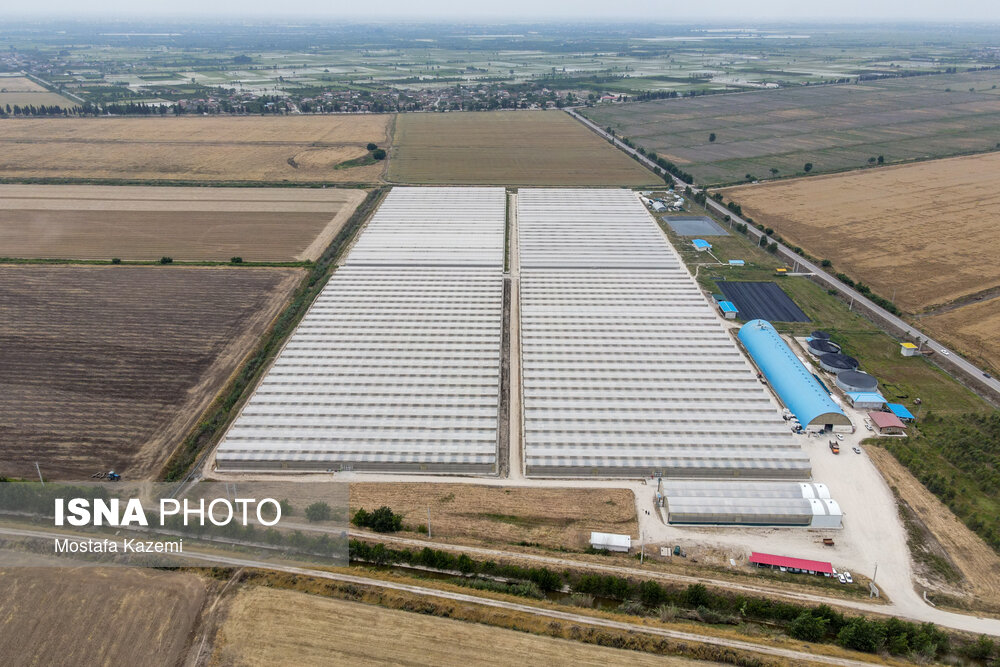
At the ceremony, Ali Rezaei, CEO of Dasht Naz Company, while introducing the complex, pointed out the potential capacities of human resources and announced the design of four future development plans of the company. He stated that with the support of shareholders, the project to modernize and increase the capacity of the livestock unit will be implemented and it is expected that milk production will increase by 40 percent. The highest level of dairy cow breeding technology is also to be established in this unit.
Other development programs of the company include the citrus sorting and packaging project with an export approach, which is an important step towards improving quality and access to international markets. Two other programs are also under study, which will be highly effective with relatively low investment.
The CEO of Dasht Naz Company also stated that, in cooperation with the Technical and Vocational Department of Mazandaran Province, the company succeeded in receiving a certificate of approval for a workshop. In this center, in-house trainers have taught 15 topics related to agriculture and animal husbandry in compliance with technical and vocational regulations, and so far, more than 18,500 hours of training have been provided to personnel.
The opening of this center not only helps to improve employee skills and increase productivity, but also demonstrates Dasht Naz Agricultural Company’s commitment to investing in human resources, sustainable development, and improving production and export standards.