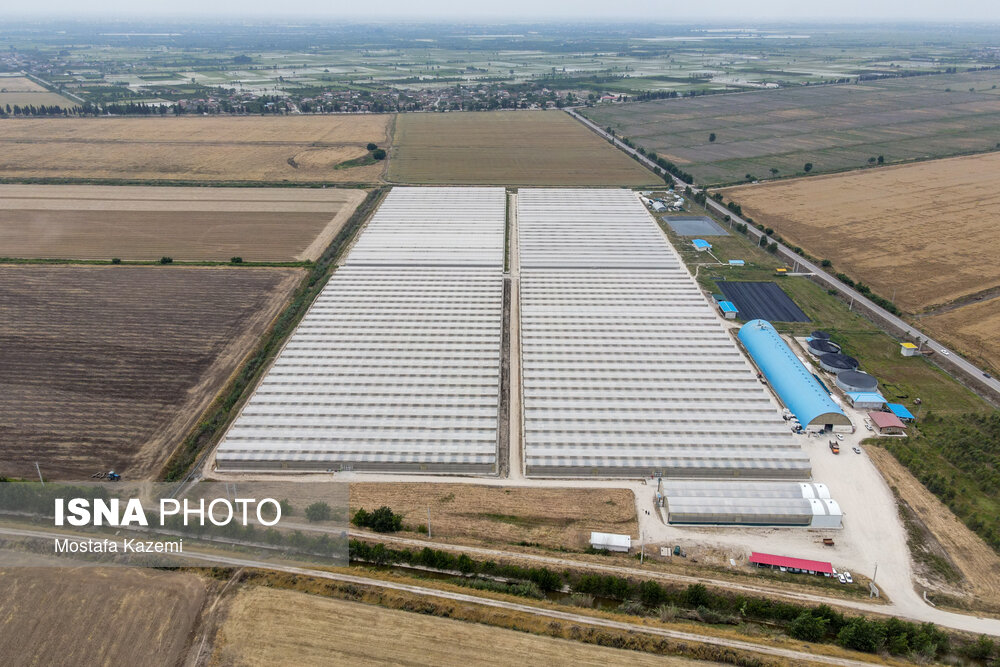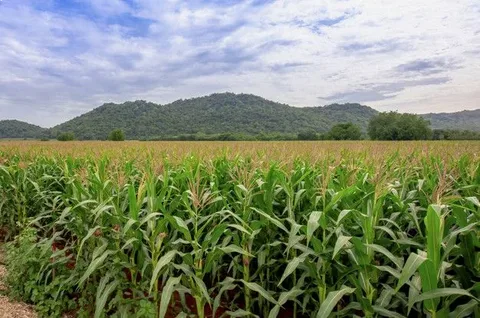
Dasht-e Naz Agricultural Company, as one of the largest agricultural and livestock complexes in the country, has started harvesting fodder corn from its fields since the second half of August this year. This important crop, which provides a significant part of the nutritional needs of the company’s livestock units, is produced on about 500 hectares of cultivated land in Dasht-e Naz and is used as one of the main sources of animal feed and silage.
The importance of fodder corn in animal husbandry
Forage corn has become one of the strategic products in modern animal husbandry due to its high nutritional value, easy digestibility and high silage production. Using this product in animal feeding programs increases milk and meat productivity and improves the general health of animals. By harvesting about 22,000 tons of forage corn this year, Dasht-e-Naz Agricultural Company will be able to meet the needs of its livestock units for high-quality feed and reduce dependence on foreign sources.
Harvesting and silage production process
Forage corn harvesting in Dasht-e-Naz is carried out using modern agricultural machinery and under the supervision of agricultural experts. After harvesting, the corn is transferred to silage processing units and, after crushing and compacting, is prepared for animal feed consumption. This process is carried out in full compliance with health and nutritional standards so that the quality of the final product is at the highest domestic and international standards.
The role of forage corn harvesting operations in the development of animal husbandry
The harvested forage corn not only helps meet the domestic needs of the company’s livestock, but also leads to the sustainable development of milk and meat production and a reduction in animal feeding costs. By optimally managing the production and use of agricultural land, Dasht Naz Company has been able to coordinate its livestock and agricultural production cycle in a way that maintains both the quality and quantity of animal feed at the highest level.
Economic and Environmental Benefits
In addition to providing animal feed, large-scale corn forage harvesting brings significant economic benefits to the company and the local community. This activity creates seasonal employment for farmers and farm workers and brings economic savings by reducing the need to import animal feed. Also, using optimal silage in animal feeding reduces feed waste and preserves natural resources, as part of the agricultural and livestock cycle is managed internally and sustainably.
Modern technology and management in harvesting
By utilizing advanced harvesting equipment and modern agricultural machinery, Dasht Naz Agricultural Company increases the speed and accuracy of harvesting operations and prevents product quality decline. The team of agricultural experts oversees the planting, growing, and harvesting stages to ensure that the forage corn is harvested in the best nutritional conditions and enters the silage production cycle.
Prospects for forage corn production in Dasht-e-Naz
Given the increasing need for animal feed in recent years and the development of livestock units, Dasht-e-Naz Agricultural Company plans to increase the area under forage corn cultivation and silage production capacity in the coming years. This measure is part of the company’s sustainable development strategy, which both improves product productivity and helps preserve natural and economic resources.
Conclusion
Forage corn harvesting in Dasht-e-Naz is an example of the precise coordination between agricultural production and livestock farming. By harvesting over 22,000 tons of forage corn, the company has been able to optimize its livestock feeding cycle and maintain the quality of livestock products at the highest level. The use of advanced technology, scientific management of farms, and attention to human resources have made Dasht Naz one of the pioneers in the production of animal feed and silage in the north of the country.
These successes show that the company’s slogan “Progress in our genes” is not limited to the production of agricultural products and livestock, but also finds meaning in sustainable development, innovation, and optimal management of resources.